
ISSUE #39
The Outdoor Insider
MAINE OUTDOOR SCHOOL'S QUARTERLY E-NEWSLETTER

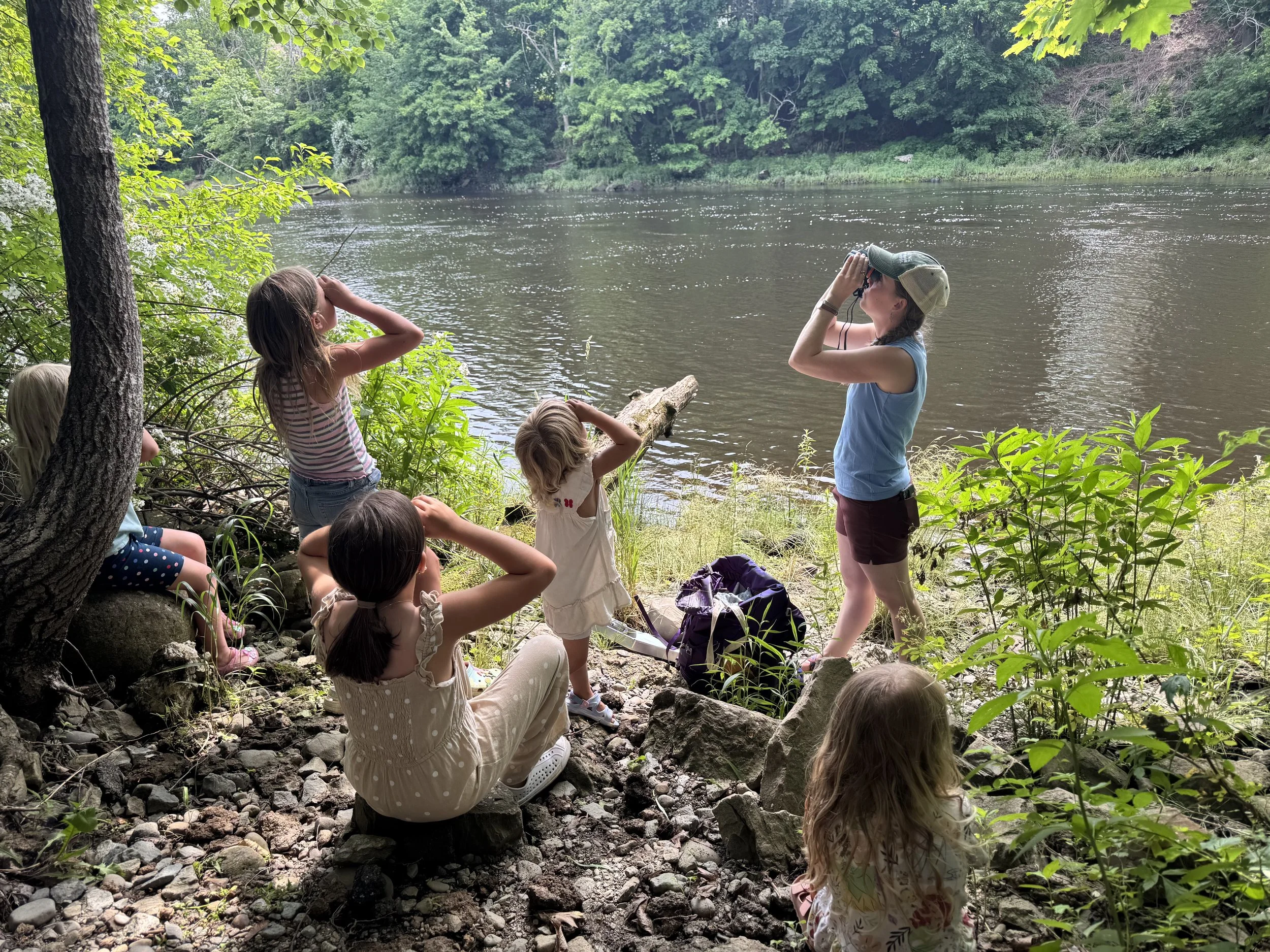
Riverside Family Scientists learned how to use binoculars this summer in Ellsworth.
The Outdoor Insider Archive
- July 2026
- April 2026
- January 2026
- October 2025
- July 2025
- April 2025
- January 2025
- October 2024
- August 2024
- May 2024
- January 2024
- October 2023
- July 2023
- April 2023
- January 2023
- October 2022
- July 2022
- April 2022
- January 2022
- October 2021
- July 2021
- April 2021
- January 2021
- October 2020
- July 2020
- April 2020
- January 2020
- October 2019
- July 2019
- April 2019
- January 2019
- October 2018
ISSUE #39
July 2026
"This is one of the best professional developments I have ever experienced! I have so many new activities, ideas, and resources that I can use in my classroom as well as at home with my family. I highly recommend attending!
-Washington County 4th-grade teacher, participant of full day professional development workshop with MOS: "Teaching that Moves: Outdoor Learning Made Easy”, May 2026
Tracks:
How did MOS leave its mark this quarter?
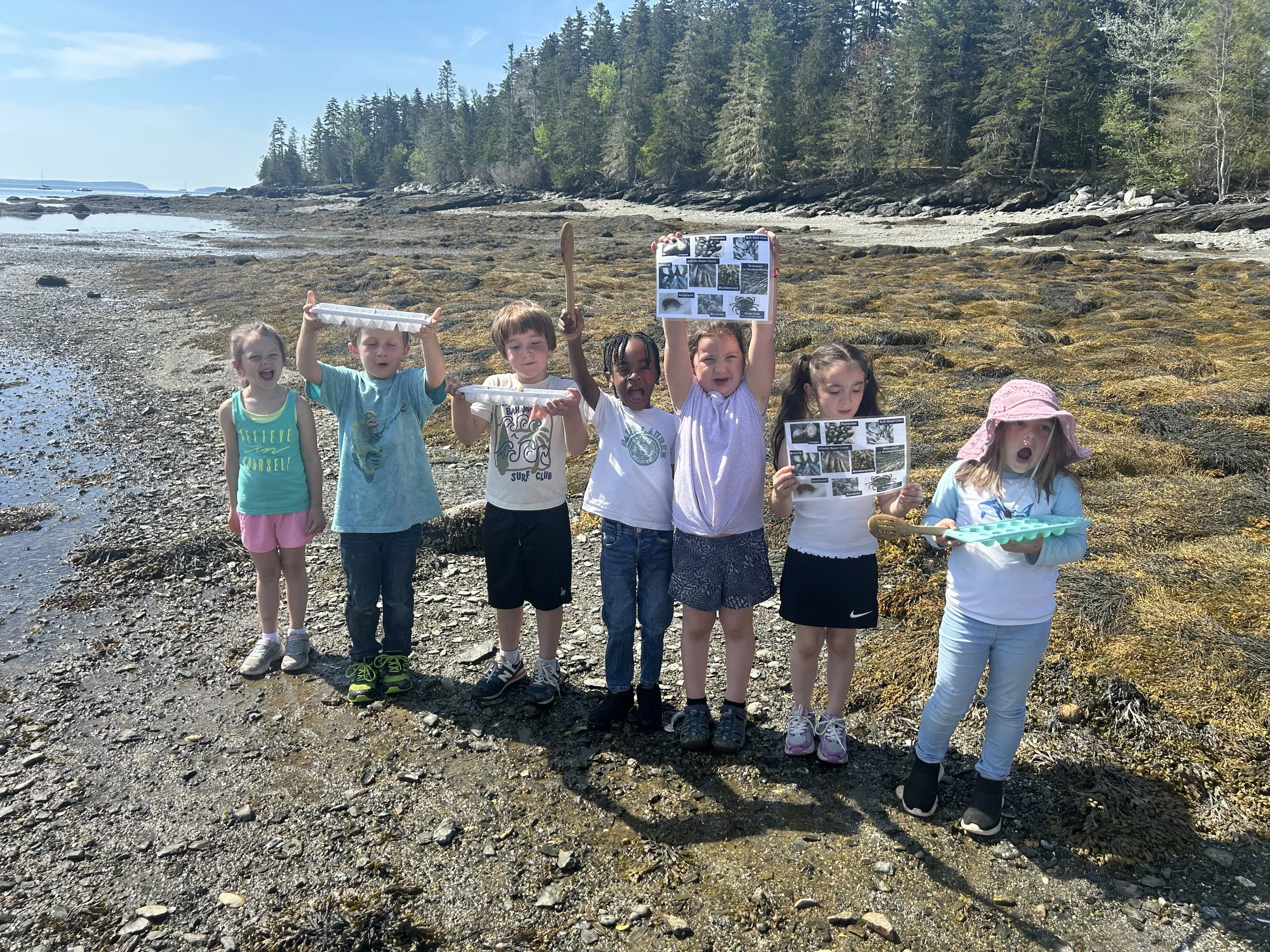
Hancock Grammar School Kindergarten field trip to the Salt Pond Preserve
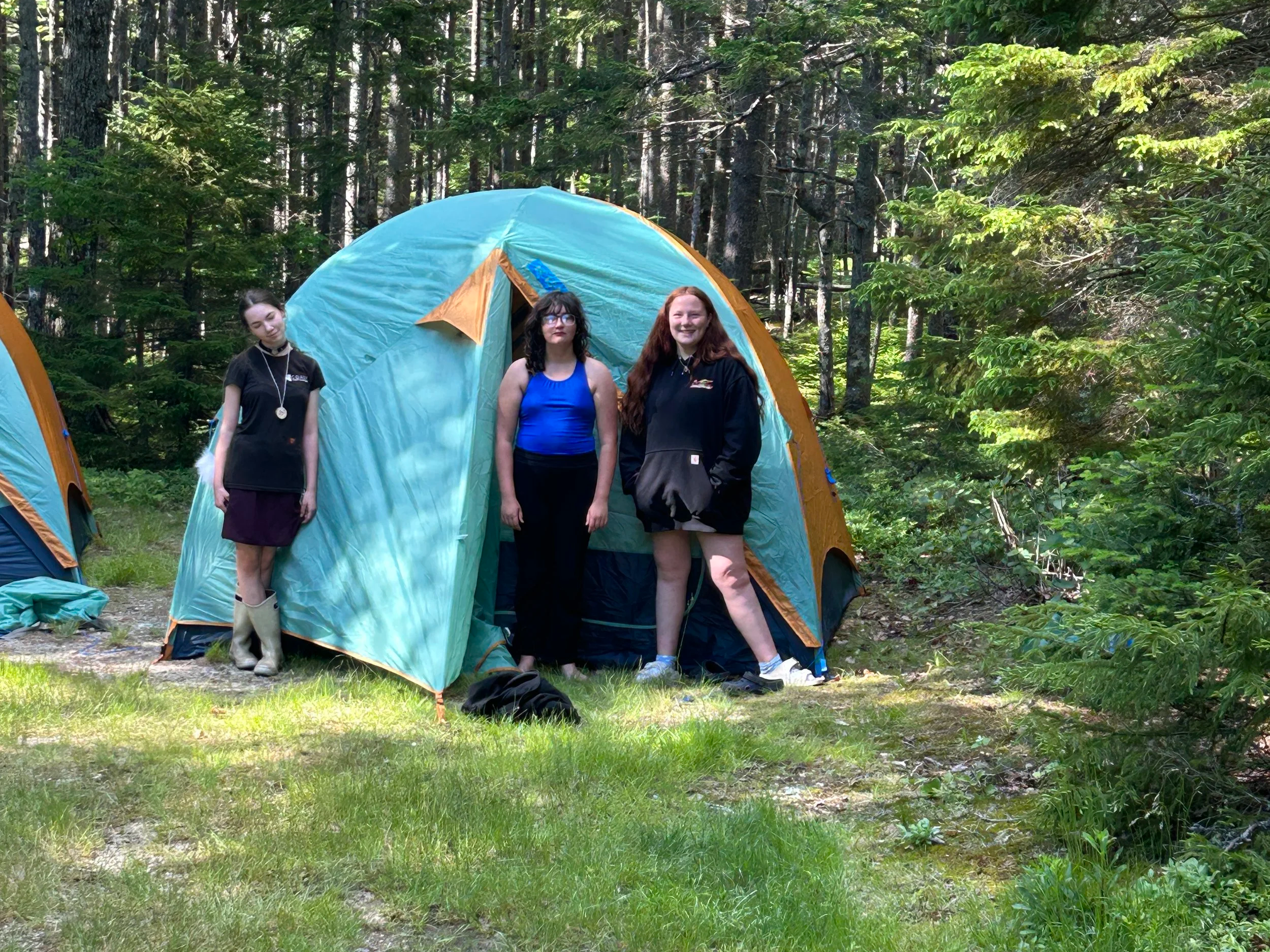
OWLette Camp with Women for Healthy Rural Living
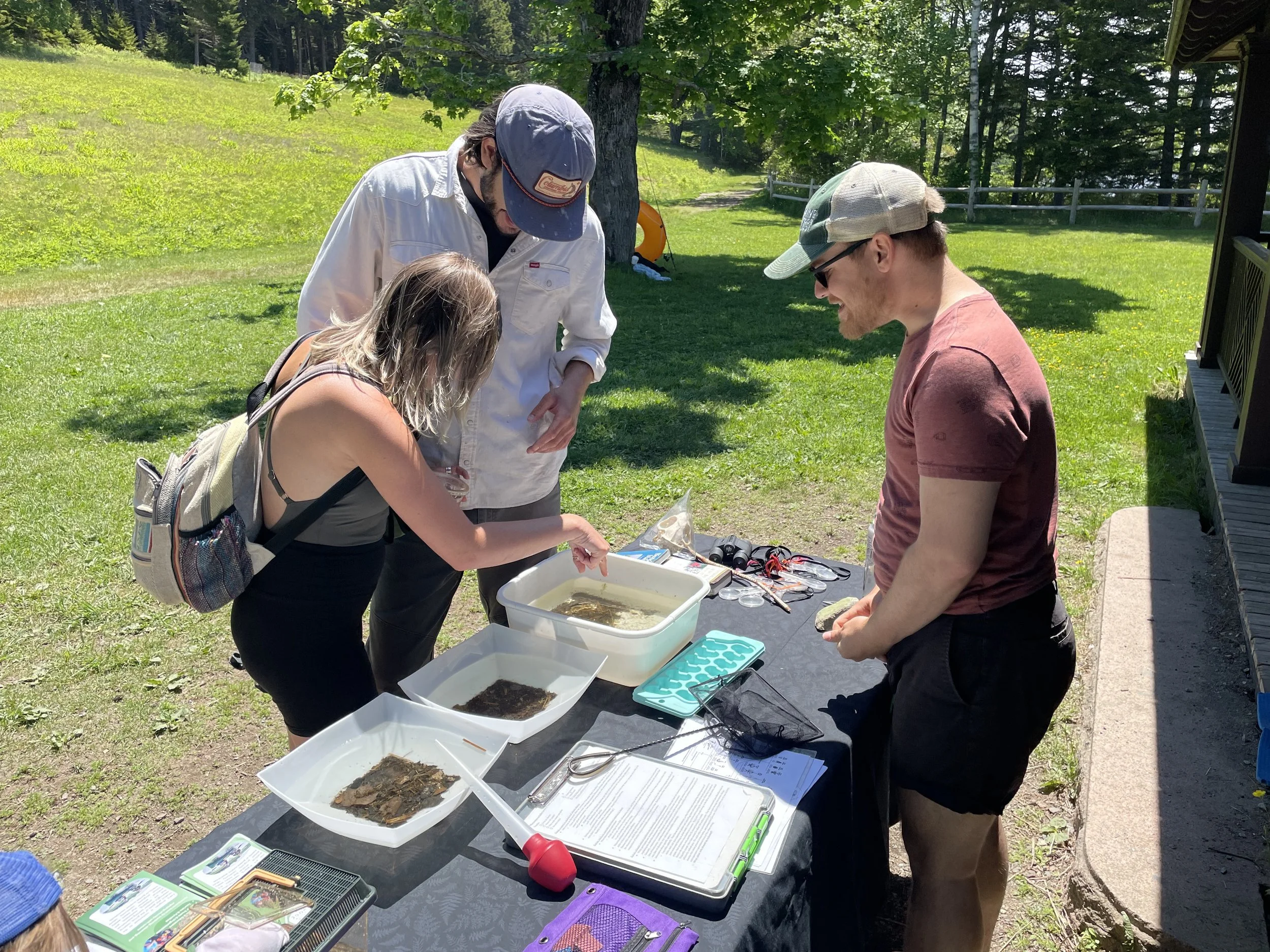
MOS at the Land & Garden Preserve
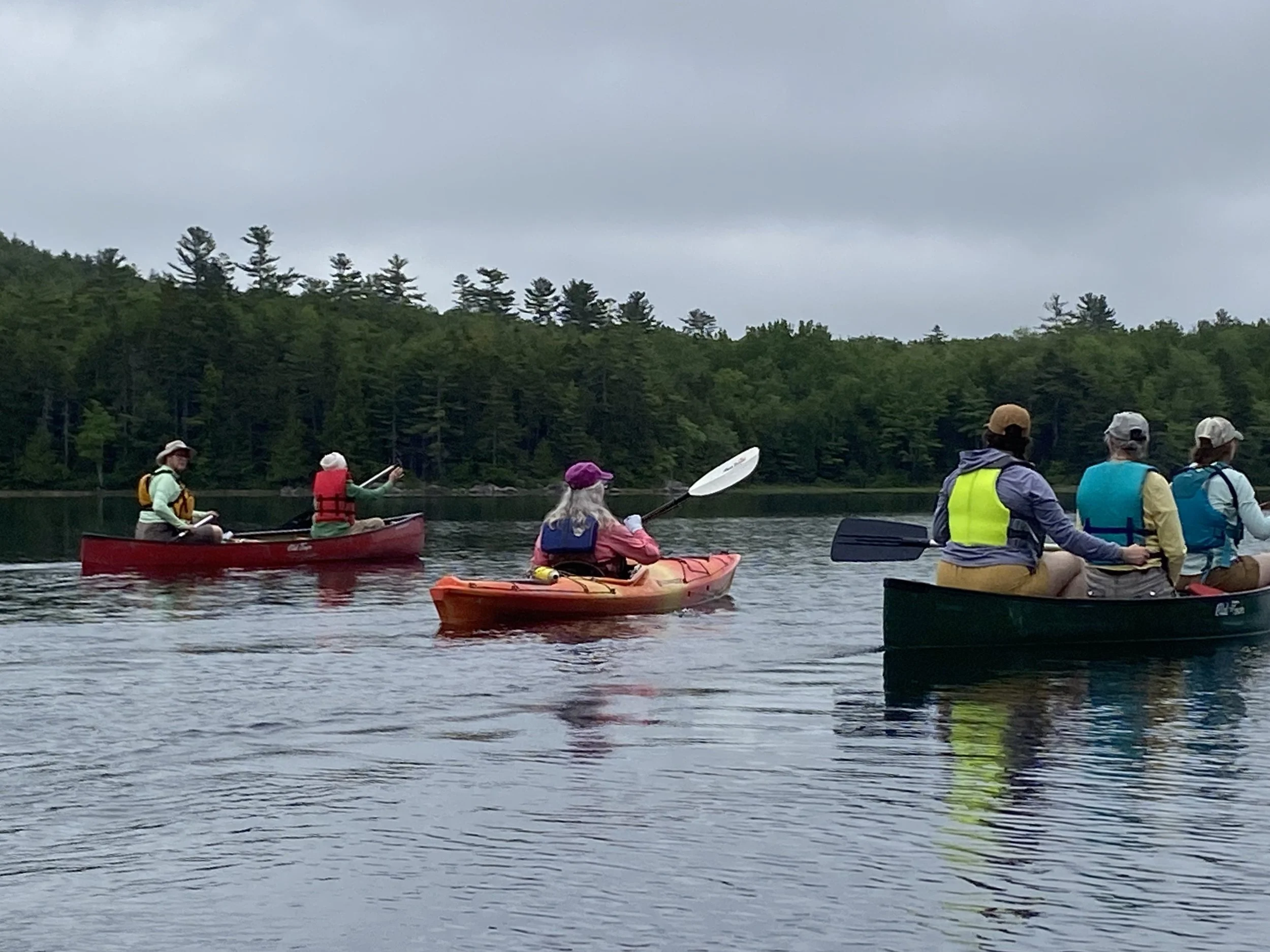
June O.W.L. Outing with Women for Healthy Rural Living on Long Pond
Finished the 2025-26 school year having served 19 schools!
Taught IDEA Homeschoolers about Amphibians and Macroinvertebrates as well as Coastal Orienteering and Map Reading with Maine Coast Heritage Trust.
Enjoyed a Family Outdoor Exploration Day with Women for Healthy Rural Living and Maine Seacoast Mission’s EdGE program.
Attended Hirundo Wildlife Refuge’s Meet-a-Scientist event, connecting with community members and other educators near Old Town.
Led O.W.L. (Outdoor Women Lead) Outings with Women for Healthy Rural Living: Birding at Milbridge Commons and Paddling Long Pond
Began collaborating with the Land & Garden Preserve MDI – where MOS can be found throughout the summer!
Provided professional development trainings for Hirundo Wildlife Refuge and Land & Garden Preserve MDI staff.
Held a Map & Compass weekend workshop with Women for Healthy Rural Living.
Partnered with the Washington County Education Consortium for our 2nd “Teaching that Moves” Workshop for local educators.
Celebrated educators at Frenchman Bay Conservancy’s Teacher Party & provided a Professional Development Workshop.
Guided a private birding hike for a family.
Got outside with guests of Terramor Outdoor Resort with programs on the night sky and nature journaling for their “Ember & Element” retreat.
Heard MOS CEO Hazel on the Grounded in Maine Podcast discussing the importance of outdoor education.
Piloted a program at Lantern Camp, a soon-to-be-opened nature-immersed accommodation in Orland.
Led our 7th OWLette Camp with Women for Healthy Rural Living, featuring an overnight camping experience for the first time.
Started our annual Riverside Family Scientists summer series with Frenchman Bay Conservancy and Ellsworth Public Library.
Discussed the interconnectedness of forest organisms at our Rooted Together LGBTQ+ Hike with Frenchman Bay Conservancy.
Hazel gave a Keynote Speech at UMaine’s Summer Educators Institute and shared Earth Day reflections at the Unitarian Universalist Society of Bangor’s service.
Check out the “MOS in the News” page to see where we’ve shown up in the press!
Community Commendations:

This quarter’s Community Commendation goes to the Hirundo Wildlife Refuge!
Hirundo conserves over two thousand acres in Old Town, Maine, is open to visitors from dawn to dusk, and provides a full schedule of events and programs, including summer camp!
Maine Outdoor School started working with Hirundo staff and board members this spring to support them in improving the programs they provide to their local schools. They wanted to create an outdoor curriculum that aligned with school standards for middle schoolers. Now they have two sequences of programs focused on ecosystems and habitats that can occur at schools and on their site.
We commend Hirundo for working to make outdoor learning experiences even more effective and accessible to local schools!
Biomimicry:
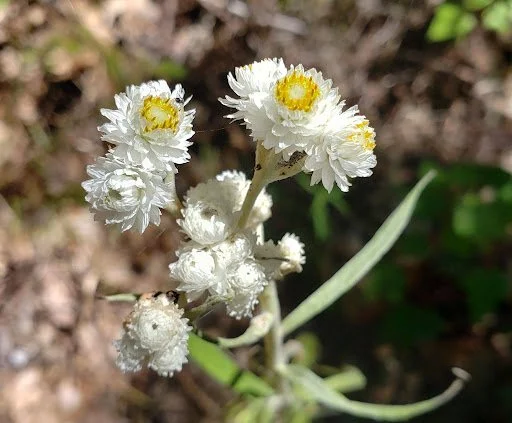
Pearly everlasting, Anaphalis margaritacea, is a member of the Asteraceae family along with many other familiar plants, like sunflowers, dandelions, and daisies. This plant family tricks us as what appear to be petals in most plants are actually individual ray florets (which are little flowers that are part of a larger flowerhead) and what appear to be the reproductive parts in the center of a flower are in fact disk florets. That’s why we get so many seeds out of a sunflower—each one comes from an individual floret within the larger flowering head.
The name “everlasting” comes from the fact that the white "involucral bracts" stay unwilted and fresh-looking for a long time, even after the disk florets have gone by. This makes pearly everlasting ideal for dried flower arrangements.
Beyond the beauty of these everlasting flowers, they have also historically been used externally to treat sores and burns and achy joints and muscles, drunk as a tea to ease rheumatism, and smoked to treat colds or as a tobacco substitute. These flowers will start blooming soon, so keep your eyes out!
What part of summer do you wish were everlasting?
This edition of Biomimicry is an adaptation of an episode of The Nature of Phenology, a radio show that MOS Co-Founders produced weekly for WERU-FM from 2018-2024. You can read or listen to entire past episodes here.
Resilience Tip:
The sound of fireworks can harm our animal neighbors. Consider alternatives for your summer celebrations, such as a light show! Read more here.
What's Upstream:
Register for an upcoming Riverside Family Scientists session.
If you have a camper registered, look forward to seeing us at Camp Sorrento, Bird Camp, Watershed Camp, and Woods & Wetlands Camp.
Attend an O.W.L. (Outdoor Women Lead) Outing: Entomology 101 at Milbridge Commons, Crepuscular Crawl in Gouldsboro, and Canoeing Spring River Lake.
Visit us at the Land & Garden Preserve on MDI. (See dates on our Events page.)
Hike with Haley, Registered Maine Guide, in Northeast Harbor on Sunday mornings.
Stay tuned as we continue Summer School for RSU 24, AOS 91 at Trenton Elementary, and Ellsworth Elementary Middle School.
Hazel guides the annual Summit for a Cause hike up Katahdin in August for Women for Healthy Rural Living.
Schedule your own outing for your friends and family. Completely customized to your needs and interests.